Table of Contents
Fundamentals of Cryptocurrency Game Design involve understanding the basics of blockchain technology and cryptocurrency. A game designer must have a good understanding of how cryptocurrency works, how it is mined, and how it can be used in a game. They must also be familiar with the different types of blockchain platforms that are available and choose the one that is best suited for their game.
Creating Engaging Gameplay in Crypto Games is key to the success of any cryptocurrency game. The game must be fun and engaging enough to keep players interested and encourage them to spend time and money in the game. The game designer must create a game that is challenging but not too difficult, and that rewards players for their efforts. They must also ensure that the game is fair and that all players have an equal chance of winning.
Key Takeaways
- Cryptocurrency game design combines the worlds of cryptocurrency and gaming.
- A good understanding of blockchain technology and cryptocurrency is essential for cryptocurrency game design.
- Creating engaging gameplay and ensuring fairness are key to the success of cryptocurrency games.
Fundamentals of Cryptocurrency Game Design
Cryptocurrency game design Image 2
Cryptocurrency game design is a complex process that involves understanding blockchain technology, economics of in-game currencies, and smart contracts. It is essential to have a clear understanding of these concepts to create a successful cryptocurrency game.
Understanding Blockchain Technology
Blockchain technology is the foundation of cryptocurrency games. It is a decentralized, secure, and transparent ledger that records all transactions in the game. The blockchain technology ensures that all transactions are secure and cannot be altered or tampered with.
Economics of In-Game Currencies
Economics of in-game currencies is an important aspect of cryptocurrency game design. It involves creating a balance between the in-game currency and the real-world currency. The in-game currency should have value and be able to be exchanged for real-world currency.
Smart Contracts and Decentralization
Smart contracts and decentralization are key components of cryptocurrency game design. Smart contracts are self-executing contracts that are programmed to execute automatically when certain conditions are met. Decentralization ensures that the game is not controlled by a single entity and is transparent and secure.
In conclusion, cryptocurrency game design is a complex process that involves understanding blockchain technology, economics of in-game currencies, and smart contracts. It is essential to have a clear understanding of these concepts to create a successful cryptocurrency game.
Creating Engaging Gameplay in Crypto Games
Cryptocurrency game design Image 3
When designing a cryptocurrency game, creating engaging gameplay is crucial to keep players interested and coming back for more. Here are some tips for creating engaging gameplay in crypto games.
Incorporating NFTs and Digital Assets
One way to create engaging gameplay in crypto games is to incorporate NFTs (non-fungible tokens) and digital assets. These unique and valuable items can be used as rewards for completing quests or as in-game currency. By giving players the ability to collect and trade these items, game developers can create a sense of ownership and investment in the game.
Designing for Player Rewards and Economy
Designing for player rewards and economy is another way to create engaging gameplay in crypto games. By creating a balanced and fair reward system, players will be incentivized to continue playing and investing in the game. Game developers can also design for a healthy in-game economy, where players can buy and sell items with each other or with the game itself.
Balancing User Experience and Complexity
When designing a crypto game, it’s important to balance user experience and complexity. While a complex game can be engaging, it can also be overwhelming for new players. By designing for a smooth and intuitive user experience, game developers can ensure that players are able to navigate the game easily and enjoyably. However, it’s also important to provide enough complexity to keep experienced players interested and challenged.
Overall, creating engaging gameplay in crypto games requires a balance of NFTs and digital assets, player rewards and economy, and user experience and complexity. By incorporating these elements, game developers can create a game that is both fun and rewarding for players.
Security and Trust in Cryptocurrency Games
Cryptocurrency game design Image 4
Cryptocurrency games are built on blockchain technology, which provides a high level of security and transparency. However, there are still potential vulnerabilities that can be exploited by malicious actors. Ensuring security and trust in cryptocurrency games is crucial to maintain a healthy and thriving ecosystem.
Preventing Exploits and Ensuring Fair Play
One of the biggest challenges in cryptocurrency games is preventing exploits and ensuring fair play. Game developers must implement strong anti-cheat measures to prevent players from exploiting the system. This can include techniques such as server-side validation, encryption of game data, and frequent audits of game mechanics.
In addition, game developers must ensure that the game mechanics are fair and transparent. This can be achieved by providing players with access to the game’s smart contract code, which can be audited by third-party security experts. Transparency in game mechanics builds trust with players and helps to ensure that the game is being played fairly.
Wallet Security and Cryptography
Wallet security is another important aspect of cryptocurrency games. Players must be able to securely store their in-game assets, which are often represented by non-fungible tokens (NFTs). Game developers should provide players with clear instructions on how to secure their wallets and use best practices such as multi-factor authentication and hardware wallets.
Cryptography is also a critical component of wallet security. Players must be able to trust that their private keys are being securely stored and transmitted. Game developers should use industry-standard encryption algorithms and regularly audit their cryptography implementations to ensure that they are secure.
Smart Contract Auditing and Best Practices
Smart contracts are the backbone of cryptocurrency games. They are responsible for managing in-game assets, enforcing game mechanics, and facilitating transactions. It is critical that smart contracts are thoroughly audited by security experts to ensure that they are secure and free from vulnerabilities.
Game developers should also follow best practices when designing and implementing smart contracts. This includes using standardized contract templates, avoiding complex logic, and thoroughly testing contracts before deploying them to the blockchain.
In conclusion, security and trust are essential components of cryptocurrency games. Game developers must take a proactive approach to preventing exploits, ensuring fair play, and securing player wallets. By following best practices and working with security experts, game developers can build a strong foundation for a thriving cryptocurrency game ecosystem.
Community and Ecosystem Development
Cryptocurrency game design Image 5
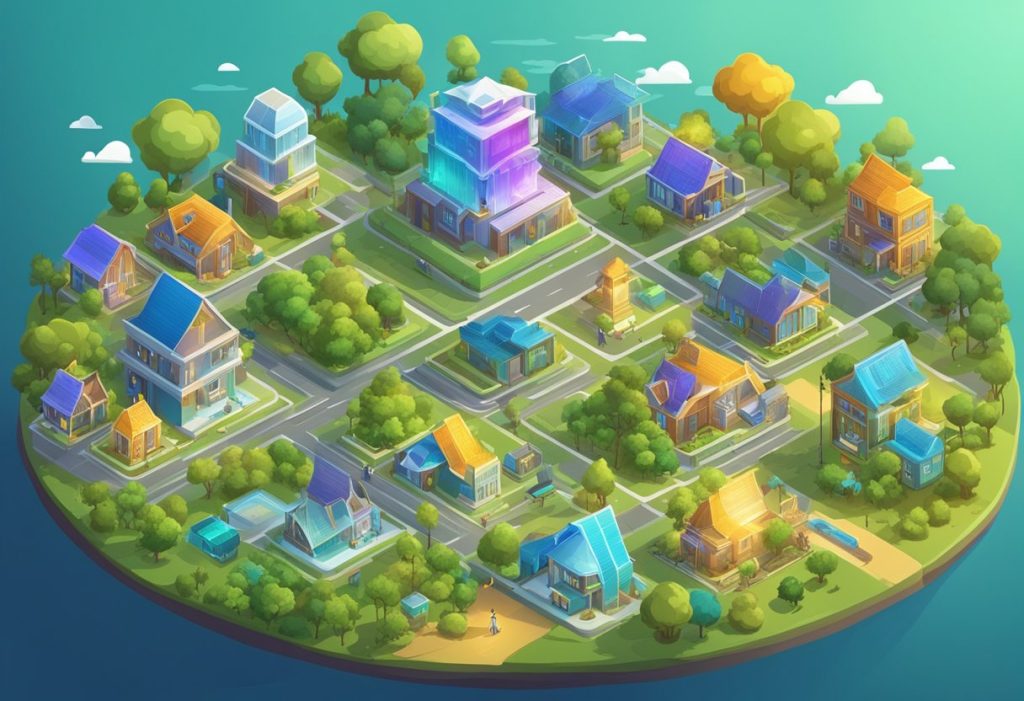
Building a strong and engaged community is essential for the success of any cryptocurrency game. By fostering a sense of belonging and ownership among participants, game developers can create a loyal and enthusiastic player base that will help drive the growth of their ecosystem.
Building Decentralized Communities
One of the key advantages of blockchain-based games is their ability to create decentralized communities. By using decentralized autonomous organizations (DAOs) and other governance mechanisms, game developers can empower players to take an active role in shaping the direction of the game. This can include everything from proposing new features and content to voting on major decisions.
Governance and Voting Systems
To ensure that the community has a say in the development of the game, it is important to have robust governance and voting systems in place. This can include mechanisms for proposing and voting on changes to the game’s rules, as well as ways to ensure that all players have a voice in the decision-making process.
Integrating with Existing Blockchain Ecosystems
To take full advantage of the benefits of blockchain technology, it is important for game developers to integrate their games with existing blockchain ecosystems. This can include interoperability with other games and platforms, as well as the ability to use existing tokens and assets within the game. By building on top of existing blockchain infrastructure, game developers can tap into a larger community of players and developers, and create a more vibrant and sustainable ecosystem.
In summary, building a strong and engaged community is essential for the success of any cryptocurrency game. By using decentralized governance mechanisms and integrating with existing blockchain ecosystems, game developers can create a vibrant and sustainable ecosystem that empowers players to take an active role in shaping the direction of the game.
Frequently Asked Questions
Cryptocurrency game design Image 6
What are the essential components of a cryptocurrency game design?
A cryptocurrency game design requires a few essential components to function properly. One of the most important components is a blockchain-based infrastructure that provides a secure and transparent platform for players. Additionally, the game must have a well-designed economy that allows players to earn and spend cryptocurrency within the game. The game mechanics should also be engaging and entertaining to keep players interested and invested in the game.
Which platforms are best for developing blockchain-based games?
There are several platforms available for developing blockchain-based games, including Ethereum, TRON, EOS, and NEO. Each platform has its own unique features and benefits, so it’s important to choose the one that best fits the needs of the game being developed. Developers should consider factors such as scalability, transaction speed, and community support when choosing a platform.
How can one monetize a game using cryptocurrency?
There are several ways to monetize a game using cryptocurrency. One way is to offer in-game items or rewards that can be purchased with cryptocurrency. Another way is to allow players to earn cryptocurrency by completing in-game tasks or challenges. Developers can also monetize their game by charging a small transaction fee for each cryptocurrency transaction that takes place within the game.
What are the legal considerations when creating a crypto game?
Developers must consider several legal factors when creating a crypto game. One of the most important considerations is the regulatory environment in which the game will operate. Developers must comply with all relevant laws and regulations related to cryptocurrency and gaming. Additionally, developers must ensure that their game does not violate any intellectual property laws or infringe on the rights of others.
How do you integrate blockchain technology into game mechanics?
Integrating blockchain technology into game mechanics requires a deep understanding of both blockchain technology and game design. Developers must create a game that is both engaging and entertaining while also taking advantage of the unique features and benefits of blockchain technology. This may include creating a decentralized economy, using smart contracts to automate certain game mechanics, and allowing players to own and trade in-game assets.
What skills are necessary to become a successful blockchain game developer?
To become a successful blockchain game developer, one must have a strong foundation in both game design and blockchain technology. Developers must have a deep understanding of programming languages such as Solidity, as well as experience with blockchain platforms such as Ethereum. Additionally, developers must possess strong problem-solving skills and the ability to think creatively to create engaging and entertaining games.